
16 Reasons to Read your Words Aloud.
Reblogged on WordPress.com Source: 16 Reasons to Read your Words Aloud.
35 Weird Traits Your Characters May Have

Read ‘weird’ as ‘unique’–the type of trait that grabs a readers’ attention. I’m
constantly looking for these so the characters in my novels are memorable, and the reader is excited to have them return to the plot line.
Everything on the list below I got from real people. You will be amazed!
- eats M&Ms or Skittles by color
- can’t use a pen without a top
- can’t clean his/her house unless it’s dark out
View original post 261 more words
21 Tips from Strunk and White’s “Elements of Style”
 When you read your story, does it sound off, maybe you can’t quite put your finger on it, but you know you’ve done something wrong? Sometimes–maybe even lots of times–there are simple fixes. These writer’s tips will come at you once a week, giving you plenty of time to go through your story and make the adjustments.
Strunk and White’s 105-page how-to-write classic, Elements of Style was first published in 1959 as a guide for writers and secretaries (remember what those are?). Because of its pithiness and focus on critical elements, it is still considered the gold standard in college classes and writing seminars. In 2011, Time Magazine listed what many refer to as the ‘Little Book’ as one of the 100 most influential books written in English since 1923. The most recent edition was published 51 years after Strunk’s death.
Strunk (E.B. White–better known as the author…
View original post 369 more words
Short and Sweet Advice for Writers: Read!! (Here’s Why)

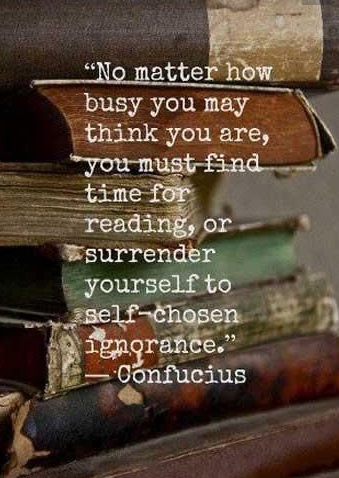 It’s not like anyone ever has to twist my arm to get me to read. In fact, left to my own devices, I’d probably spend at least a few hours each day with my nose in a book. However, Real Life doesn’t always easily accommodate large blocks of reading time. There is almost always something more pressing that needs doing – something that seems more important – and so reading can fall off the radar.
But, reading is critical for writers. Mandatory. Non-negotiable.
You’ve heard the advice a million times: If you want to write, read. It makes sense, you suppose; but have you ever wondered why it makes sense – why reading is such an important part of becoming a writer?
When you read, it’s like taking an immersion class in the language of story and literature. And like any immersion class, the more you expose yourself to that…
View original post 346 more words
Better blogging – Audience and aspiration #blogging #amwriting
Source: Better blogging - Audience and aspiration #blogging #amwriting
How important are the first words of your story?

Very.
I agonize over the first paragraph more than any part of a story. Sometimes I rewrite it a dozen times and often making it worse before I make it better.
So how do you start that story?
By grabbing the reader.
 With a whisper and a promise. With fear or joy. You dangle temptation, and offer redemption. The trick is to not start out too big or too fast. It’s like catching a great white shark or blowing up the planet, too much momentum can leave the reader with nowhere to climb. Often a sense of let down or exhaustion hits midway through the book.
I once read that the writer needs to give the reader a reason to suspend their disbelief and they will gladly go along for the ride. No matter how far-fetched the story all they need is a reason and they will keep reading.

That reason could be a killer opening…
View original post 172 more words
The pros and cons of author promotion #amwriting

 Two articles by the same author, both well worth a read…they polarised opinion when first published.
The first was found via Wendy at No Wasted Ink‘s weekly writing links:
Please shut up: Why self-promotion as an author doesn’t work.
The second gives the other side of the eternal argument…
WAIT, KEEP TALKING: Author Self-Promotion That Actually Works
Both articles are from Delilah S. Dawson aka Lila Bowen.
Grammar-ease: Lying vs Laying (Lie vs Lay)

Using lay versus lie has come up quite a bit, so here’s a re-do of my 2013 post on these tricky words.
Lay is an active verb. A person picks up a book and lays it on a chair. A chicken lays an egg. (The person and chicken are active.)
Lie is a still verb. People lie on beds. Cats lie on people. Fleas lie on cats. (The people, cats, and fleas are still.)
——————————————————————————————————
Lay: to place or set something
| Simple | Progressive | Perfect | Perfect progressive (action continues for a while) | |
| Present | I lay
You lay He/she/it lays They lay | I am laying
You are laying She is laying They are laying | I have laid
You have laid She has laid They have laid | I have been laying
You have been laying She has been laying They have been laying |
| Past | I laid
You laid She laid They laid |
View original post 575 more words
The Essential Guide To Nailing Your Character’s Appearance (plus a character sketch template)

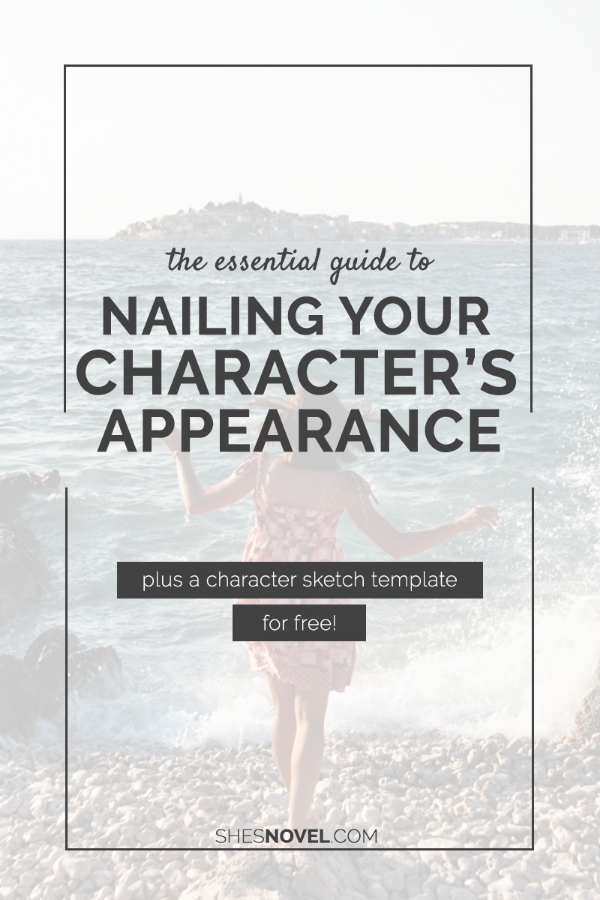
There are approximately 3,348,547,029 articles, blog posts, and questionnaires on the internet to help you figure out your character’s appearance. It’s true. And that was a totally accurate number, by the way. Well, today, I am not adding another one to the pile. At least, not another monotonous one. I did title this post ‘The Essential Guide’, did I not? There is epicness to be had here, ladies and gents. And here is what I think all those other posts aren’t getting: Physical appearances are not objective. Your character’s looks will change based on the beholder’s perspective.


Recent Comments