~ How to Create Symbolism and Why you Should ~

yvettecarol's avatarYvette Carol, Author

There is something you find interesting, for a reason hard to explain. –Annie Dillard

Book shelf real estate is tiny. It pays to remember that our book will only occupy a small amount of territory on that prized book or library shelf (if it gets there at all!) so we need to stand out. A number of years ago, I read a magazine article about small business start-ups creating their own symbolism, just the same way big companies choose logos. I wondered, why shouldn’t Indie writers also utilise this tool and create their own logos?

*Reason One: Our brains remember images before facts.

It’s a well-known fact that symbols work on our subconscious, and we humans respond to visual clues. There’s a reason all the major brands always build their businesses around a symbol. Once they establish a logo, the emblem then becomes synonymous with their name.
DSC00101*Reason Two: A…

View original post 630 more words

Writing Tips/Insights #13: Create Relatable Characters

theryanlanz's avatarRyan Lanz

by Liam Cross

When sitting down to read a book, readers like to read into the lives of characters who they can relate to on an emotional level. It gives them a personal attachment to the fictional world and makes them more hooked on the story. Forming this sort of attachment not only helps to better engage a reader, but it also helps them to solve some of their own problems whilst reading about others who are sharing them – even if it is fictitious.

View original post 758 more words

What is Deep POV? (Spoiler: It’s “Show Don’t Tell”)

Corey Truax's avatarCorey Truax

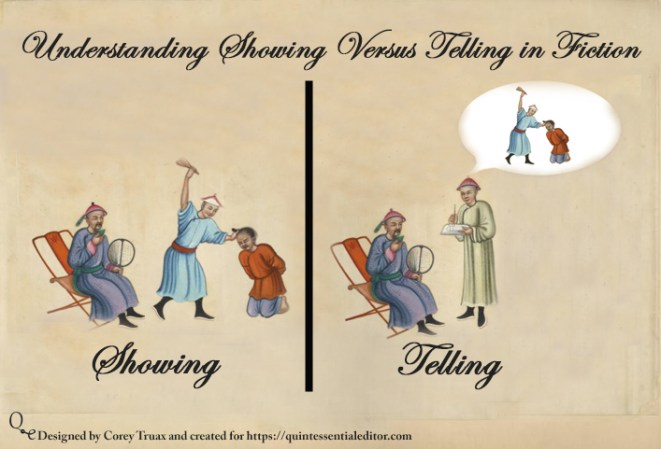
Showing Versus TellingToday I wanted to talk a little about the idea of “deep POV.” I’ve had a couple authors approach/email me asking questions about the concept. While I was familiar with the idea of point of view (POV) and how to sink deeply into it, I wasn’t uniquely familiar with that terminology. So, I did what I always do when seemingly new knowledge presents itself, I tracked it down.

Typing “Deep POV Books” in Amazon yielded many questionable (in regards to author credibility) self-help type books regarding deep POV. About ten books down on the list, I found some pretty interesting erotica. Scrolling farther down yielded even more eyebrow-raising search results. Anyways, that wasn’t the deep POV I was looking for…

I grabbed the two books (writing books mind you) that had the most reviews regarding the subject. The two books are the following:

View original post 533 more words

Looking at Fantasy-World Technology

theryanlanz's avatarRyan Lanz

By Hope Ann

Fantasy equals a sword, a bow, and a golden prophecy, right? Wrong. Do you honestly think that the realm in which you live contains the smartest, most advanced people? Of course, ‘advanced’ can have plenty of definitions. That aside, you might be surprised to find the realms which people in this land deem as ‘fantasy’ have a few tricks of their own.

What is technology after all? A thin device which carries words and pictures. An invisible thread in the air which connects the aforementioned devices. A globe of glass which glows. A chest which keeps things cold. A metal box which hurtles across the country at high speeds… It’s not quite so grand as some like to think.

View original post 467 more words

Infographic: Writing Dynamic Characters

Nicholas C. Rossis's avatarNicholas C. Rossis

A common criticism of fiction — be it in film, television, or novels — is often laid against characters seen as “flat” or “two-dimensional.” Modern audiences know when a protagonist or supporting character isn’t interesting, based on their own lack of emotional investment in that character’s journey. Rightfully fearing this criticism, a lot of new authors are compelled to ensure that their protagonist is a dynamic character. However, as many editors will attest (and as some authors will admit), there is often confusion between “well-written characters” and “dynamic characters” — which are not always one and the same.

Reedsy recently published a great post on creating a dynamic character. I am sharing the respective infographic here and strongly urge you to check out the complete post on Reedsy, where they take a look at what dynamic characters are, how they differ from static characters, what forms their…

View original post 12 more words

Digital Book Signing

Harmony Kent's avatarStory Empire

Hello SEers! Harmony here 🙂

Today, I’d like to take a look at how to offer autographs on your digital books using Authorgraph. Also, you can get this service embedded on your blog/website rather easily. How cool is that?

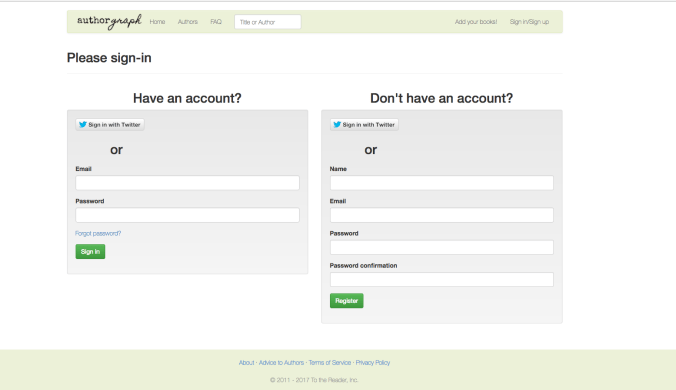
With Authorgraph, you can send, request, or receive author autographs. It’s easy to sign up (for FREE) using this link: https://www.authorgraph.com/signin

This takes you to a page that looks like this:

Once you’ve signed in, you have a few options:

You can add all of your ebooks, as long as you have them listed on the Amazon platform. You will need an Amazon ASIN for each book, which you can find in a number of places such as your KDP account books page or your book sales page. Once you have that, then input it as so …

And click on ‘Add Book’.

Repeat this for each of your Amazon ebooks.

View original post 417 more words

Blog at WordPress.com.

Up ↑